March 19, 2026
Choosing the right roofing material involves more than picking a style or price point. Climate conditions, material performance, long-term costs, and visual compatibility all play a role in ensuring your roof protects your home effectively while supporting its overall value.
Recognizing Your Environmental Conditions
Understanding the climate of your area is crucial when choosing roofing materials. Different materials perform better under specific weather conditions, making weather research an essential step in the decision-making process. For example, areas with heavy rainfall may require materials with excellent water resistance. Similarly, regions prone to high temperatures may benefit from materials that do not easily warp or melt. Additionally, localized environmental challenges, such as salt exposure near coastlines, can affect material longevity and performance.
Researching local weather patterns provides valuable insights into potential challenges for your roofing material and roof installation. You must consider both historical weather data and projections for future climate trends. This information helps in anticipating issues like temperature fluctuations that can stress roofing materials. For instance, while asphalt shingles are popular, they might not be ideal in extreme heat conditions. Furthermore, regions with high winds will require materials with strong wind resistance, ensuring that the roof remains intact during storms and hurricanes.
Temperature fluctuations significantly affect the lifespan of roofing materials. Some materials expand and contract with changes in temperature, leading to possible warping and cracking. Metal roofing, for example, performs well in areas with large temperature swings due to its durability. However, heat retention and inefficiency in extremely cold conditions may necessitate additional insulation or ventilation measures. Analyzing how materials deal with temperature changes can be crucial in selecting the right type of roofing for your roof installation.
Understanding Various Roofing Materials
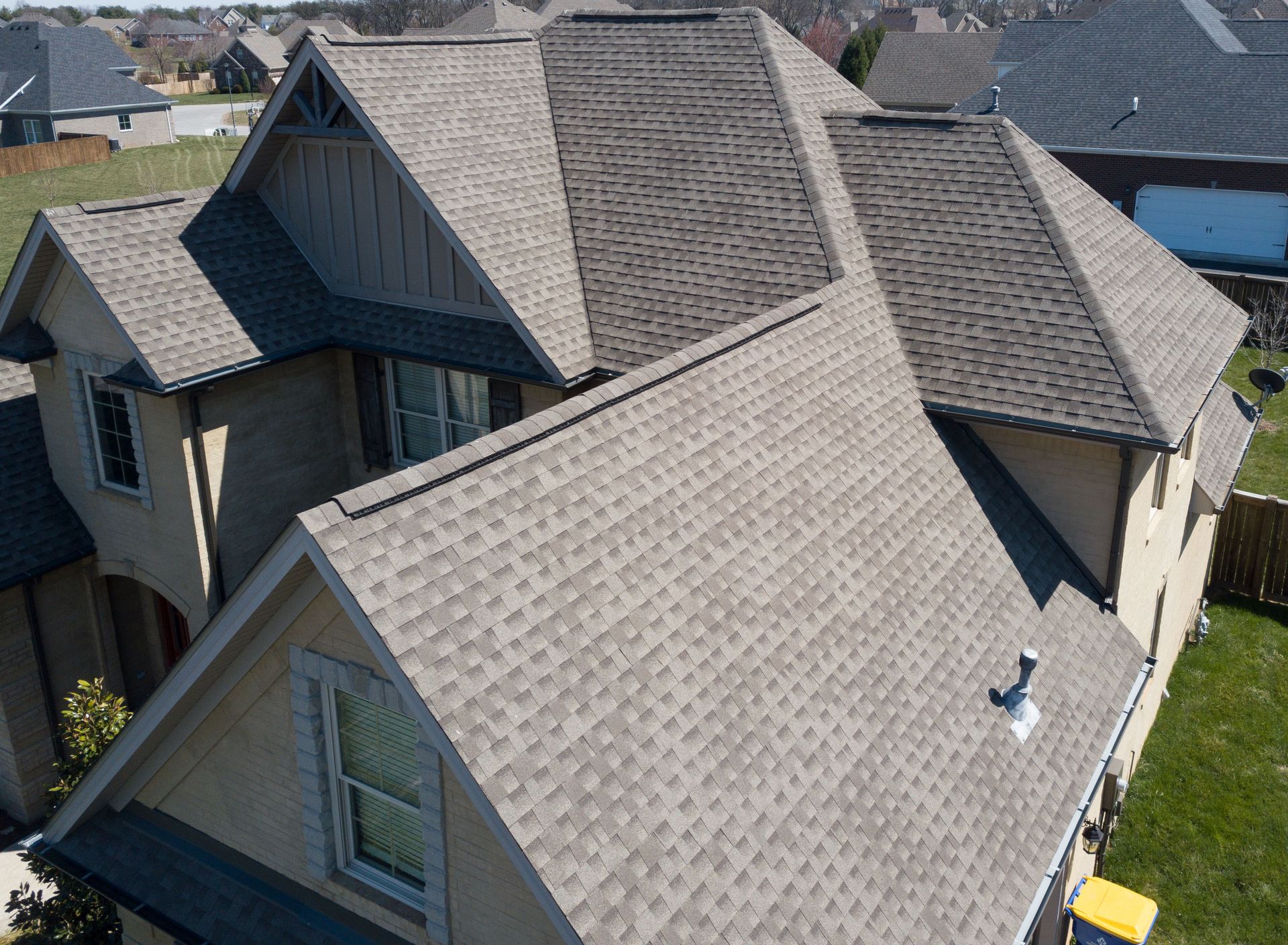
According to Ruby Home, asphalt shingles are the most common roofing material, used in roughly 80% of roofing projects. They are known for their affordability, variety in styles, and ease of installation. However, they may show wear and tear more quickly than other materials in harsher climates. Despite this, their ubiquity means that they are easily sourced and replaced as needed. As a result, they are suitable for homeowners seeking a cost-effective yet moderately durable roof installation option.
Metal roofing has gained popularity due to its strength and lightweight properties, making it suitable for adverse weather conditions. It is highly resistant to wind, rain, and snow, providing homeowners peace of mind against leaks and weather damage. Metal roofing can also reflect solar radiant heat, potentially reducing cooling costs during the summer. While the initial roof installation cost is higher than that of asphalt, the long-term durability and low maintenance needs make it a compelling investment for many homeowners. Aesthetically, metal roofs are versatile and available in various colors and styles to fit different home designs.
Clay and concrete tiles offer a distinct, stylish option that also provides excellent sustainability. These materials are non-combustible, offering superior fire resistance compared to other types. They are also environmentally friendly as they are made from natural resources. Despite their allure, they come with significant weight, requiring reinforcement of the roof structure. Homeowners looking at these materials should consider their area's seismic activity, as heavy roofs may pose safety risks during earthquakes.
Factoring Costs and Budget
Budgeting for a new roof involves evaluating both the initial cost and the long-term value of the investment. While some materials may have a lower upfront cost, such as asphalt shingles, they may require more frequent maintenance and shorter replacement cycles. In contrast, higher initial investments in more durable materials like metal or slate may save money over time. Therefore, it's important to consider the balance between cost and projected lifespan. Depending on your budget, examining financing options and incentives for using certain materials can also aid in decision-making.
Maintenance and repair costs are significant aspects of roofing expenses that should not be overlooked. Asphalt shingles, while affordable, may incur regular maintenance, especially in poor climate conditions. Wood shingles, though aesthetically pleasing, require protective coatings and may be susceptible to rot and insect infestation. On the other hand, metal or slate may involve minimal maintenance. Regular inspections and timely repairs can help extend the life of your roof and avoid costly replacements.
Energy efficiency and savings are additional considerations when analyzing roofing material costs. Certain materials, such as metal and clay tiles, have reflective properties that help maintain indoor temperatures. This is important for reducing energy bills, as homes maintain a balanced climate throughout the seasons. Modern roofing materials also offer advanced insulation properties, which can significantly impact heating and cooling costs. The long-term savings on energy should factor into the overall budget for roofing investments.
Considering Aesthetic Appeal
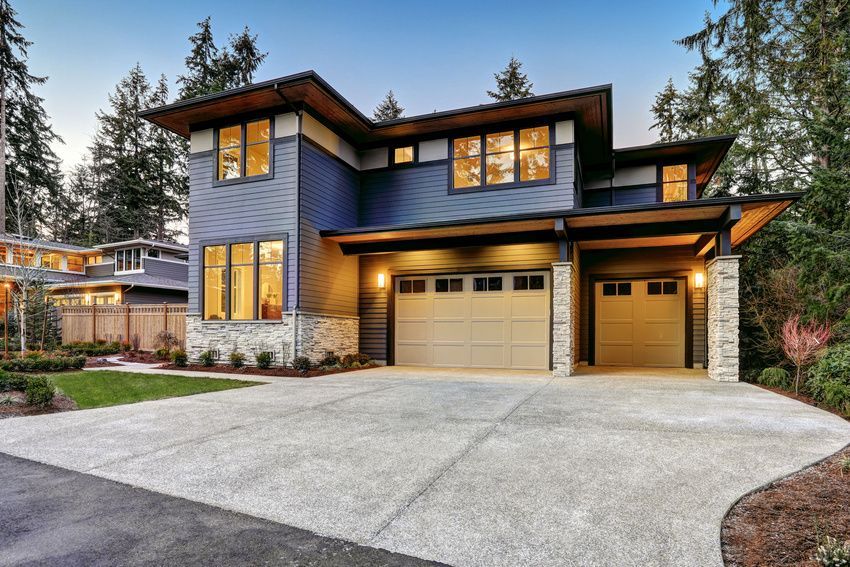
The aesthetic appeal of roofing materials is a crucial factor in ensuring the harmony between the roof and the house's architectural design. It is essential to match roof styles appropriately with the overall design of the home to maintain curb appeal and property value. For example, a Mediterranean-style home may look disproportionate with an asphalt shingle roof instead of traditional clay tiles. Conversely, modern homes benefit from the sleek appearance of metal or flat concrete tiles. Choosing a style that complements your home's inherent design will enhance its visual appeal.
Color and texture options further enhance the customizable appeal of your roof. With a myriad of colors available, roofing materials can either stand out or subtly blend with the landscape. Asphalt shingles offer a wide array of colors, while metal and slate options provide subtle hues that can integrate beautifully with natural surroundings. Texture also plays a role in aesthetics, allowing homeowners to replicate the look of other materials like wood or stone. Paying attention to these details can create a distinctive and appealing look for your property.
Historical appropriateness is another consideration when selecting roofing materials, particularly for older homes. Preserving the architectural integrity and historical value of such homes is essential. Historic districts may even have regulations mandating specific roofing types to maintain the area's character. Materials like slate or wood shakes often align with period-specific looks, enhancing authenticity. Owners of historic homes should consider material choices that preserve their home's timeless appeal while ensuring effective protection.
Assessing Longevity and Durability
Longevity and durability are pivotal in choosing the right roofing material. Asphalt shingles may be budget-friendly initially, but generally have a shorter lifespan than other materials. Slate roofs can last well over a century with proper care, but come with higher roof installation costs. Examining manufacturer warranties can provide some assurance and predictability in the lifespan of your roofing investment. Understanding the material's longevity before roof installation can lead to better budgeting and fewer unexpected issues.
The impact of local weather on durability must also be evaluated to avoid premature roof degradation. Materials like metal and clay tiles offer higher resilience in extreme weather, from high winds to heavy snow. For instance, metal roofs are highly wind-resistant, which is vital in hurricane-prone areas. Shingles might suffice for moderate climates but could falter in extreme conditions. Choosing a roofing material that aligns with local weather conditions reduces repair costs and prolongs roof life.
Ongoing maintenance requirements are an integral part of managing the long-term durability of any roofing material. Asphalt shingles may require frequent inspections and repairs, whereas slate or metal may demand less frequent care. Regularly clearing debris, replacing damaged sections, and checking sealants help prolong the roof's life regardless of materials. Many manufacturers also provide specific maintenance guidelines optimized for their products. Following these can help avoid voiding warranties and contribute to the longevity of the roofing system.
By carefully evaluating environmental factors, material options, budget considerations, aesthetics, and durability, homeowners can make a more informed roofing decision. Taking the time to weigh these factors helps ensure a roof that performs reliably and complements your home for years to come. For dependable results, contact AJ Window and Door Solutions today to schedule a professional roof installation that protects your home and enhances its long-term value!