October 19, 2026
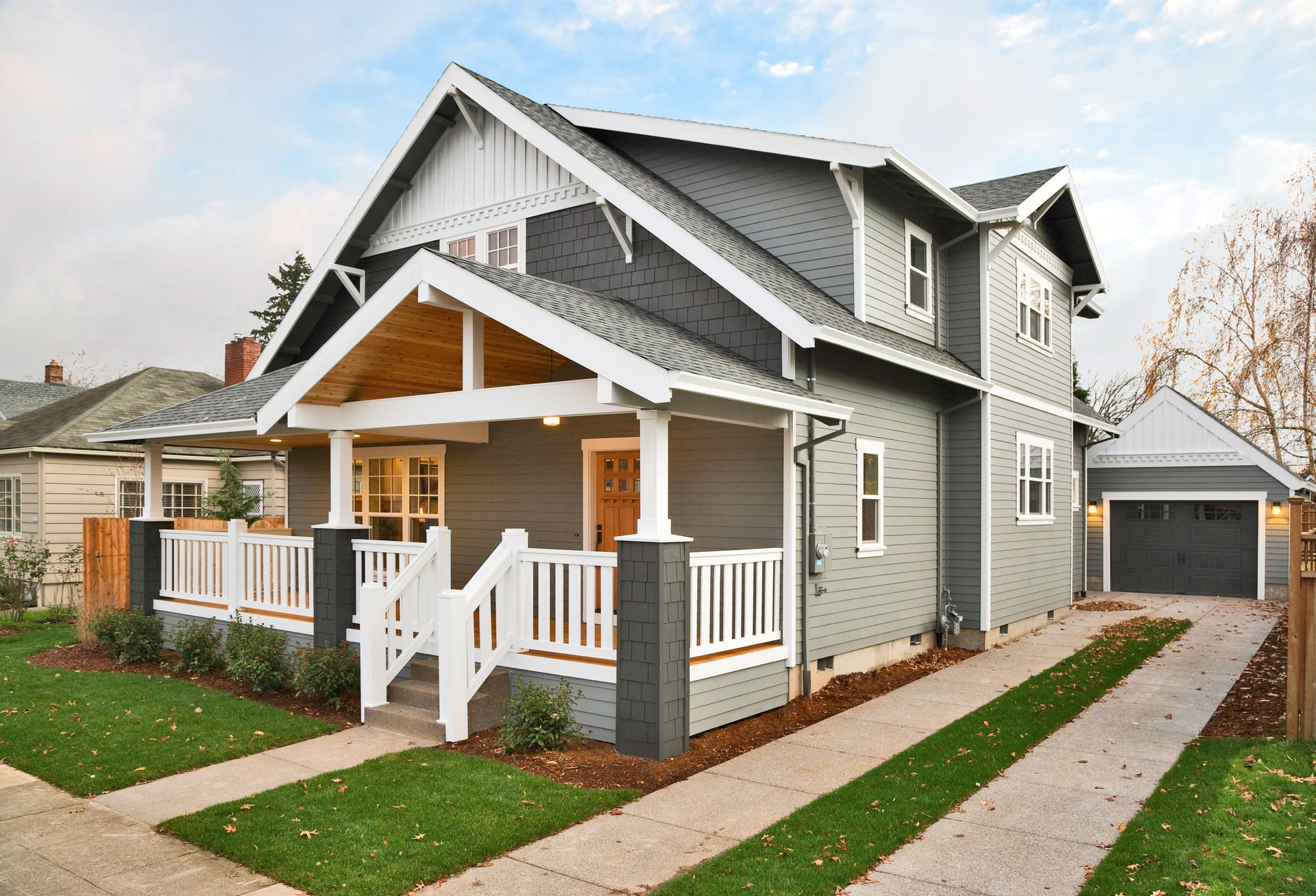
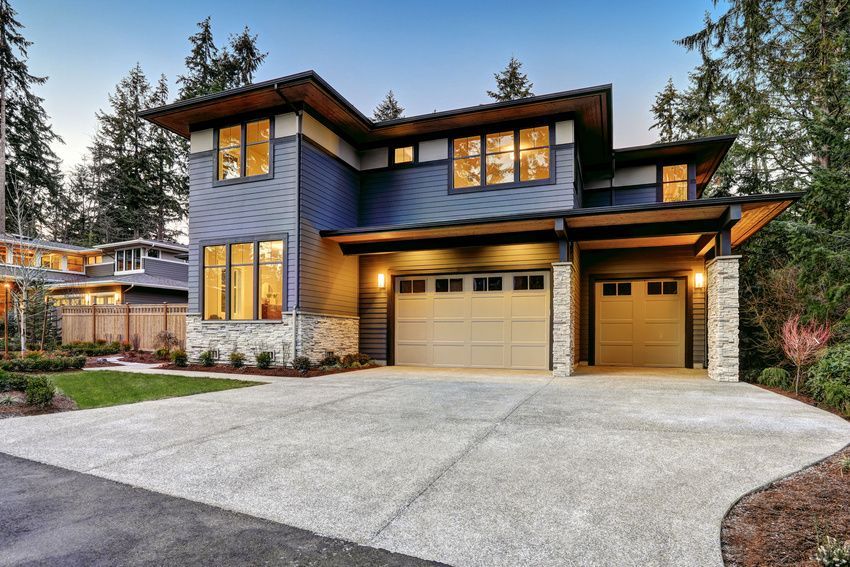
Professional siding services play an integral role in enhancing both the aesthetic appeal and structural integrity of residential and commercial properties alike. Choosing a reputable siding service ensures that property owners benefit both aesthetically and functionally, providing critical protection from environmental elements while significantly boosting curb appeal. Beyond outer appearances, the specific choice of material, the precision of the installation process, and long-term maintenance requirements are essential factors to consider when upgrading an exterior envelope. Siding serves as a fundamental shield against external threats, and investing in high-quality materials and craftsmanship safeguards your property against moisture intrusion, extreme temperature fluctuations, pest infestations, and overall structural wear over time. By making informed decisions backed by industry expertise, homeowners and business owners can maximize their investment, increase energy efficiency, and elevate overall market value.
Selecting Optimal Materials
Selecting the right material is a foundational step in any exterior renovation project, as each option offers distinct performance characteristics, visual appeal, and maintenance demands. Traditional wood siding delivers a timeless, warm aesthetic, but it requires continuous upkeep, repainting, and sealing to prevent rot, warping, and insect damage. Conversely, vinyl siding remains an exceptionally popular choice due to its cost-effectiveness, minimal maintenance requirements, and inherent resistance to moisture. For structural resilience against severe weather conditions, high winds, and fire exposure, metal siding options such as aluminum and steel provide exceptional durability and modern architectural flexibility. Engineered wood combines the rich look of natural wood with composite strength, effectively resisting moisture and temperature shifts, while fiber cement delivers superior longevity, fire resistance, and resistance to pest infestation. Evaluating these options with a professional siding service ensures a balanced selection tailored precisely to local weather patterns, architectural style, and overall budget.
When calculating project scope and material quantities, contractors rely on standard industry measurements to ensure accuracy, eliminate material waste, and maintain cost transparency. According to This Old House, in the siding industry, 100 square feet of siding is known as a "square." Understanding this fundamental unit helps property owners better evaluate contractor estimates, compare material price structures, and comprehend the physical scale of their installation project. Beyond initial material pricing, eco-friendly choices such as recycled metal, sustainable timber, or fiber cement are gaining traction for reducing environmental impact while maintaining high structural integrity. Working with an experienced contractor allows clients to analyze material lifespans, heat retention properties, life-cycle costs, and long-term asset value before making a definitive choice.
Material selection also influences how a building interacts with its immediate microclimate. For instance, homes in coastal environments face constant salt fog and high humidity, making corrosion-resistant materials like vinyl or treated fiber cement far more suitable than raw metals or untreated wood. In regions subject to intense summer heat and solar exposure, ultraviolet stability becomes paramount to prevent premature fading, chalking, or thermal expansion that causes panels to buckle. Professional siding advisors evaluate localized weather data, sun exposure, and regional storm patterns alongside material specifications to ensure that the chosen product will not degrade prematurely under normal environmental exposure.
Executing Precise Installations
A successful siding transformation relies heavily on methodical site preparation and precision during execution. The process begins with an in-depth consultation and site assessment to evaluate existing structural conditions, address potential underlying rot or moisture damage, and ensure full compliance with local building codes. Once a layout and color scheme are selected, installation teams clear the workspace, remove outdated exterior layers down to the sheathing, and reinforce the underlying substrate. Proper site preparation eliminates hidden vulnerabilities, establishing a clean, plumb, and secure foundation before any new panels or boards are attached to the building envelope.
Professional installation techniques require exact alignment, precise overlap adjustments, and material-specific fastening to prevent future issues such as warping, buckling, or water infiltration. Experienced technicians utilize specialized tools, high-performance weather-resistant barriers, and advanced flashing techniques to seal vulnerable seams, windows, doors, and roofline intersections effectively. Following completion, a comprehensive post-installation evaluation ensures that every section meets rigid quality and safety standards. Professional teams perform a complete site clean-up and provide clients with essential care guidelines and warranty documentation, guaranteeing that the new siding service installation performs optimally for decades.
The gap between an average DIY effort and a professional installation often comes down to moisture management. Installing siding is not simply about attaching boards to a wall; it requires creating a functional drainage plane behind the siding that allows trapped water vapor to escape while directing bulk liquid away from internal structural studs. Incorrect fastener driving, such as over-nailing vinyl siding so that it cannot expand and contract naturally, can cause severe thermal distortion during seasonal temperature shifts. Professional installation crews understand expansion allowances, clearance requirements above grade and roof planes, and flashing integration, ensuring that the finished wall system operates as a cohesive protective barrier.
Recognizing Essential Repairs
Recognizing the early warning signs of siding damage is critical to preventing minor issues from escalating into major structural failures. Visible defects such as cracks, warping, loose panels, persistent blistering, or rotting wood indicate that the exterior barrier has been compromised. Left unaddressed, these vulnerabilities allow moisture to penetrate interior wall cavities, leading to dangerous mold growth, insulation decay, rotting in structural wall studs, and extremely costly remediation repairs. Regular inspections allow property owners to identify localized damage early and implement targeted repairs before extensive deterioration occurs across the building envelope.
Unexpected increases in monthly utility bills can also signal compromised siding, as gaps and air leaks undermine a building's thermal envelope and force heating and cooling systems to work harder to maintain interior temperatures. External weather exposure, including severe windstorms, heavy snow accumulation, hail impact, and prolonged exposure to ultraviolet rays, gradually degrades exterior materials over time. While routine maintenance can prolong the operational lifespan of existing panels, full replacement often becomes the most cost-effective solution when widespread wear, moisture saturation, or outdated materials are present. Consulting a siding service professional provides an accurate assessment of whether spot repairs or a full system upgrade will yield the best long-term return on investment.
Property owners should also be vigilant for subtle indicators of siding breakdown that appear on the interior of the home. Peeling paint, flaking wallpaper, or unexplained water stains on interior walls often originate from exterior siding leaks far above the visible stain location. Water can travel along internal framing members before collecting and dripping down, making leak detection challenging for non-professionals. A certified siding inspector uses diagnostic techniques to trace water paths, identify compromised exterior seals, and evaluate whether localized repair or complete replacement is required to restore internal wall dryness and structural safety.
Maintaining Long-Term Integrity
Implementing a structured maintenance routine is vital for preserving both the functional performance and visual appeal of exterior surfaces over their intended lifecycle. Routine tasks include gently washing panels with mild detergents to remove ambient dirt, pollen, and algae growth, clearing gutters and downspouts to prevent water overflow, inspecting seals around windows and doors, and applying protective coatings or stains where necessary. Seasonal care addresses specific weather challenges, such as summer UV protection or winter ice dam prevention, ensuring materials remain resilient against shifting environmental stressors throughout the entire year.
Partnering with a reliable siding service for periodic professional inspections provides a proactive approach to long-term property care. Industry experts utilize specialized tools and trained eyes to detect hidden moisture accumulation, structural shifts, and sealant degradation that typical visual checks might easily miss. By addressing minor imperfections promptly, property owners protect their financial investment, sustain optimal building energy efficiency, and maintain high curb appeal. Establishing an ongoing relationship with a trusted siding partner ensures your property remains protected, energy-efficient, and visually striking through every season. For more information about the services that we offer, reach out to our incredible team at AJ Window and Door Solutions today!